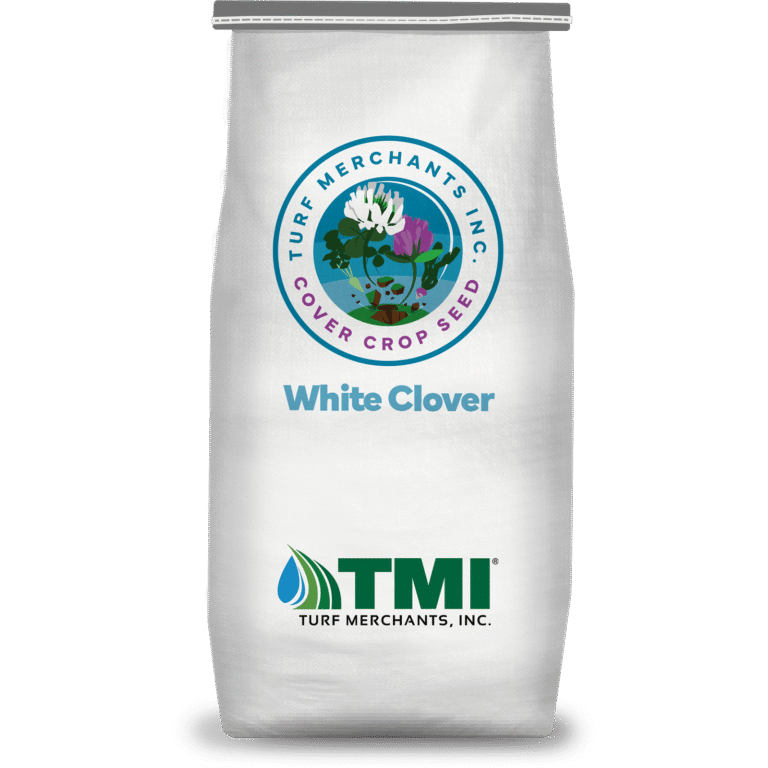





Enhancing Soil Health and Farm Productivity
White clover (Trifolium repens) is a versatile, perennial legume widely used as a cover crop in sustainable agriculture. Its adaptability, soil-enriching properties, and low maintenance make it a valuable addition to crop rotations and pasture systems.
USES OF WHITE CLOVER AS A COVER CROP
- Soil Improvement: Fixes atmospheric nitrogen, enriching the soil for subsequent crops.
- Erosion Control: Forms a dense mat that reduces soil loss from wind and water.
- Weed Suppression: Outcompetes unwanted weeds by shading and occupying bare soil.
- Pasture and Forage: Provides high-protein forage for livestock.
- Pollinator Support: Attracts bees and other beneficial insects with its flowers.
KEY BENEFITS
- Improved Soil Fertility: Adds nitrogen to the soil, reducing the need for synthetic fertilizers.
- Increased Organic Matter: Enhances soil structure and water retention.
- Reduced Input Costs: Lower fertilizer and weed control expenses.
- Biodiversity: Supports a healthy ecosystem by providing habitat for insects and wildlife.
- Adaptability: Thrives in a range of soil types and climates.
- Low Maintenance: Requires minimal management once established.
ESTABLISHMENT TIPS
- Prepare a firm, clean seedbed for optimal germination.
- Maintain soil pH between 6.0 and 7.0 for best growth.
- Monitor for pests and diseases, though white clover is generally resilient.
- Mow periodically to promote regrowth and prevent seed formation if desired.
Conclusion
White clover is an excellent choice for farmers seeking to improve soil health, reduce input costs, and promote biodiversity. Its ease of establishment, nitrogen-fixing ability, and multiple farm benefits make it a cornerstone of sustainable agriculture systems.
Contact Us
For more information reach out to Turf Merchants, Inc. to discuss your cover crop needs and to incorporate these into your agronomic program.
Seeding Rates
| Broadcast Seeding | 2–3 pounds per 1,000 square feet |
| Drill Seeding | 6–8 pounds per acre |
| Frost Seeding | 3–5 pounds per acre |
| Mixed Seeding (with grasses) | Adjust rate to 2–4 pounds per acre, depending on mixture |
Seeding should be done in early spring or late summer for best establishment. Ensure good soil-to-seed contact and adequate moisture for germination.